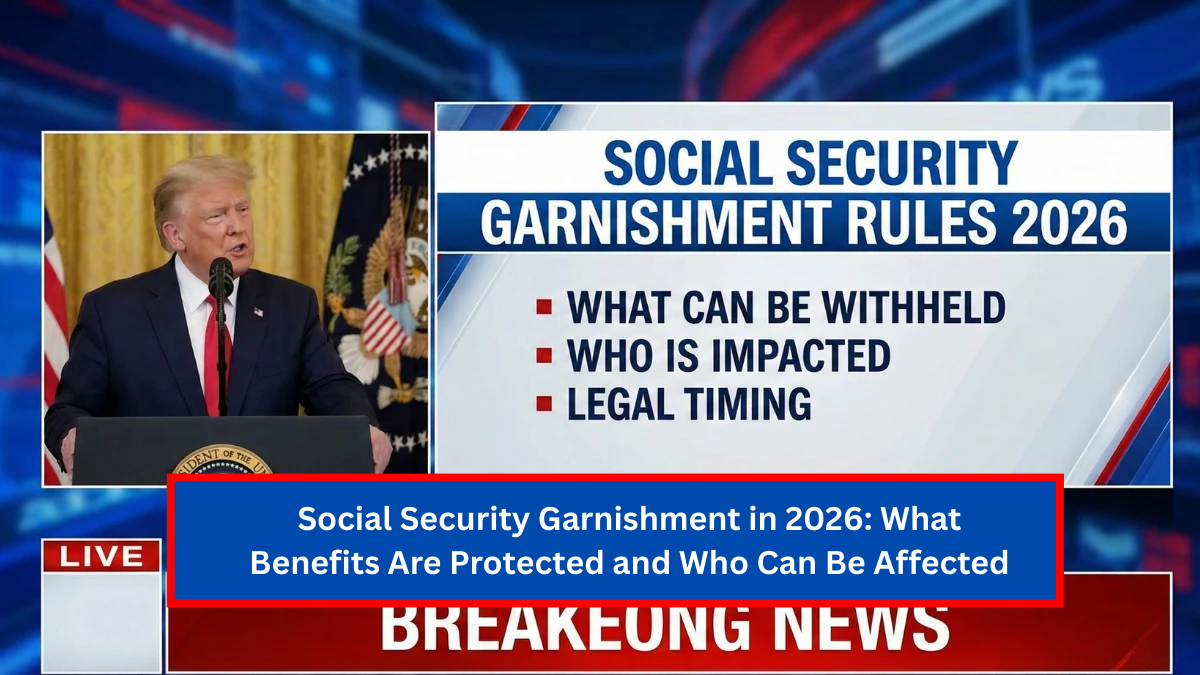
Concerns about Social Security garnishment in 2026 are increasing as beneficiaries seek clarity on whether their monthly payments can be reduced or withheld. To prevent misinformation, it is important to understand that Social Security benefits are protected by law, with only limited and clearly defined exceptions. This article explains the official rules, who may be affected, which benefits are protected, and how the garnishment process works under guidance from the Social Security Administration (SSA).
Are Social Security Garnishment Rules Changing in 2026?
There are no new laws or regulations taking effect in 2026 that change how Social Security benefits are treated. Garnishment rules continue under existing federal law. Any changes would require congressional approval and formal notification from federal agencies.
When Social Security Benefits Can Be Garnished
In most cases, Social Security benefits are protected from garnishment by private creditors. However, federal law permits garnishment in specific situations, and even then, limits are in place to protect beneficiaries.
Debts That Allow Garnishment
| Debt Type | Garnishment Allowed |
|---|---|
| Federal taxes | Yes |
| Child support | Yes |
| Alimony | Yes |
| Federal student loans | Yes (limited) |
| Credit card or medical debt | No |
Who Is Most Likely to Be Affected
Garnishment typically impacts beneficiaries who have unpaid federal obligations or court-ordered child support or alimony. Private creditors cannot garnish Social Security payments directly, even if they obtain a court judgment.
How Much of a Benefit Can Be Withheld
The amount that can be withheld depends on the type of debt involved. Child support and alimony may allow higher withholding amounts, while other debts are subject to strict limits. Some beneficiaries may qualify for hardship protections that can reduce or suspend garnishment.
Timing and Notification Rules
Garnishment does not occur without advance notice. Beneficiaries must be informed before any deductions begin and are given the opportunity to respond, appeal, or request relief. Payments are adjusted only after required legal procedures are completed.
Benefits That Cannot Be Garnished
Supplemental Security Income (SSI) is fully protected and cannot be garnished for any type of debt. In addition, federal protections ensure that beneficiaries retain access to a minimum level of income for basic living needs.
Key Facts to Remember
- No new Social Security garnishment rules are approved for 2026
- Only specific federal and family-related debts allow garnishment
- Private creditors cannot garnish Social Security benefits
- SSI payments are fully protected
- Advance notice is required before garnishment begins
Conclusion
Social Security garnishment rules in 2026 remain unchanged and apply only in narrowly defined circumstances. Most beneficiaries will not be affected, and strong legal protections continue to shield Social Security income from the majority of debts. For accurate and up-to-date information, beneficiaries should rely on official government sources.
Disclaimer
This article is for informational purposes only and does not constitute legal or financial advice. Garnishment rules depend on federal law, individual circumstances, and official government procedures.